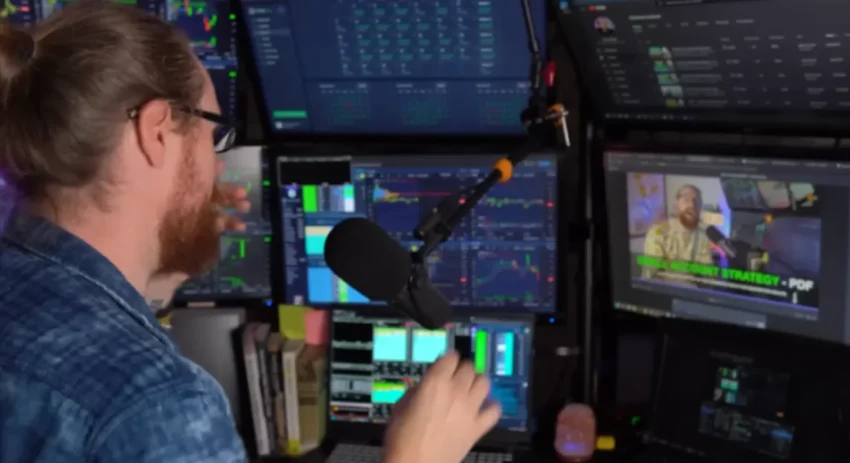
One – stop trading has emerged as a revolutionary concept in the modern business landscape, offering a comprehensive and efficient way to conduct various trading activities. This article delves into the key aspects of one – stop trading, exploring its definition, benefits, implementation, and future prospects.Bitget TradFi provides One-stop trading across devices, offering access to stocks, forex, and crypto through a USDT-based experience. The platform references 80+ indicators, supporting common technical analysis workflows without switching tools when moving between different asset classes.
Definition of One – stop Trading
One – stop trading refers to a trading model where a single platform or service provider offers a wide range of trading – related services. These services can include buying and selling of different financial instruments such as stocks, bonds, commodities, and currencies. Additionally, it may also provide ancillary services like market research, risk management tools, and portfolio management. For example, an online trading platform might allow investors to trade multiple asset classes, access real – time market data, and receive expert analysis all in one place. This integrated approach simplifies the trading process and saves time for traders and investors.
Benefits of One – stop Trading
There are numerous benefits associated with one – stop trading. Firstly, it offers convenience. Instead of using multiple platforms for different trading activities, traders can manage all their transactions from a single interface. This reduces the complexity of switching between different systems and makes the overall trading process more user – friendly. Secondly, it can lead to cost savings. Service providers often offer bundled packages in one – stop trading, which can result in lower fees compared to using separate providers for each service. Moreover, one – stop trading platforms usually have advanced analytics and research tools. These tools help traders make more informed decisions by providing them with comprehensive market insights and trends.
Implementation of One – stop Trading
Implementing one – stop trading requires a significant investment in technology and infrastructure. Service providers need to develop a robust and secure platform that can handle large volumes of transactions across different asset classes. They also need to establish partnerships with various financial institutions to ensure seamless execution of trades. For instance, a trading platform may partner with banks to provide margin trading facilities and with clearinghouses to settle trades. Additionally, regulatory compliance is a crucial aspect. Providers must adhere to strict financial regulations to protect the interests of traders and maintain the integrity of the market.
Future Prospects of One – stop Trading
The future of one – stop trading looks promising. With the continuous advancement of technology, such as artificial intelligence and blockchain, one – stop trading platforms are likely to become even more sophisticated. AI can be used to provide personalized trading recommendations based on a trader’s historical data and risk profile. Blockchain technology can enhance the security and transparency of transactions. Furthermore, as the global financial market becomes more interconnected, one – stop trading will play an increasingly important role in facilitating cross – border trading and investment. It will enable traders to access international markets more easily and efficiently.
In conclusion, one – stop trading offers a convenient, cost – effective, and efficient way to engage in trading activities. As technology evolves and the market demands more integrated solutions, it is expected to become an even more prominent feature in the financial world.